Most lifters train their hamstrings as an afterthought. A few sets of leg curls at the end of leg day, if they remember at all.
That is a problem. Weak hamstrings limit your deadlift, slow your sprint, and set you up for pulls and tears that sideline you for weeks. Strong hamstrings do the opposite: they make your lower body more powerful, more resilient, and better looking from every angle.
This guide covers the 10 best hamstring exercises you can do in any gym, organized by movement pattern so you can build a balanced hamstring workout that actually works.
TL;DR
- Your hamstrings perform two jobs: hip extension (hinge movements) and knee flexion (curl movements). Train both.
- The Romanian deadlift is the single best hamstring exercise for overall development. Start there.
- Pair one hip-hinge movement with one knee-flexion movement per session for balanced growth.
- Train hamstrings 2 times per week with 10-16 total sets for optimal hypertrophy.
- Eccentric work like Nordic hamstring curls is your best defense against hamstring injuries.
Hamstring Anatomy and Function
Your hamstrings are actually three separate muscles running down the back of your thigh: the biceps femoris (the outer one with a long and short head), the semitendinosus (the middle), and the semimembranosus (the inner one, sitting underneath).
These muscles cross two joints, which means they do two things. First, they extend your hip, pulling your torso upright from a bent-over position. That is the hinge pattern you see in deadlifts and good mornings. Second, they flex your knee, pulling your heel toward your glute. That is the curl pattern.
This dual function matters for your training. If you only do curls, you miss the hip-extension component. If you only do deadlifts, you shortchange the knee-flexion work. The best hamstring programs include both movement patterns in roughly equal measure.
For a full overview of lower body training, check out Leg Day Essentials: The 12 Best Leg Exercises.
10 Best Hamstring Exercises
These exercises are split between hip-dominant movements (exercises 1, 4, 5, 6, 8, 10) and knee-dominant movements (exercises 2, 3, 7, 9). Use exercises from both categories in your training for complete hamstring development.
You can explore all of these and hundreds more in the LoadMuscle exercise library.
Romanian Deadlift
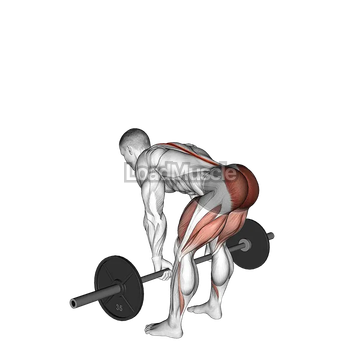
Primary Focus: Hip extension - biceps femoris (long head), semitendinosus, semimembranosus
Why it matters: The Romanian deadlift is the gold standard for hamstring development. It loads the hamstrings through a deep stretch at the bottom and forces them to work hard through the entire range. The deadlift is the king of hamstring builders - learn proper form in our deadlift guide. If you only do one hamstring exercise, make it this one.
Coaching Cues
- Start standing with the bar at hip height. Push your hips straight back while keeping a slight bend in your knees.
- Lower the bar along your thighs until you feel a strong stretch in your hamstrings. For most people, that is around mid-shin level.
- Drive your hips forward to stand tall. Squeeze your glutes at the top without leaning back.
- Keep your lats tight and the bar close to your body throughout the lift. If the bar drifts forward, the load shifts to your lower back.
Lying Leg Curl
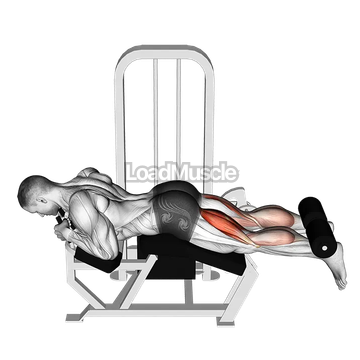
Primary Focus: Knee flexion - biceps femoris (short head), semitendinosus, semimembranosus
Why it matters: The lying leg curl isolates knee flexion without any hip movement. It is one of the few exercises that hits the short head of the biceps femoris, which does not cross the hip joint and cannot be trained with hinge movements alone.
Coaching Cues
- Lie face down and position the pad just above your ankles, not on your calves.
- Curl the weight up by driving your heels toward your glutes. Focus on squeezing the hamstrings, not yanking with momentum.
- Lower the weight slowly over 2-3 seconds. The eccentric phase is where most of the growth stimulus happens.
- Keep your hips pressed into the pad. If they pop up, the weight is too heavy.
Seated Leg Curl
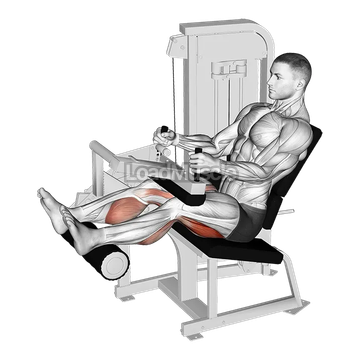
Primary Focus: Knee flexion - biceps femoris, semitendinosus, semimembranosus
Why it matters: The seated position puts your hamstrings in a pre-stretched position at the hip, which means they work harder through the knee-flexion range. Research shows seated curls may produce slightly more hamstring growth than lying curls because of this extra stretch.
Coaching Cues
- Adjust the back pad so your knees line up with the machine's pivot point.
- Curl the weight down and back, pulling your heels under the seat.
- Hold the bottom position for a one-second squeeze before controlling the weight back up.
- Grip the handles firmly and avoid rocking your torso. Let your hamstrings do the work.
Good Morning
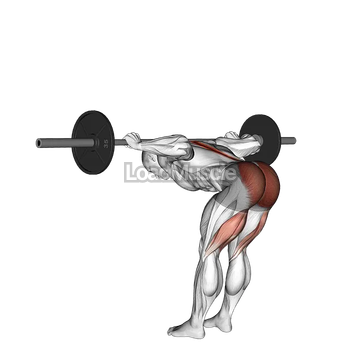
Primary Focus: Hip extension - hamstrings, glutes, spinal erectors
Why it matters: The good morning is a hip-hinge pattern that loads the hamstrings and the entire posterior chain under a barbell. It builds the kind of back-of-body strength that directly transfers to your squat and deadlift. If your lockout is weak, good mornings will fix it.
Coaching Cues
- Place the bar across your upper traps (high bar position) and set your feet at shoulder width.
- Push your hips back and hinge forward until your torso is roughly parallel to the floor. Keep a soft bend in the knees.
- Drive your hips forward to stand up. Think about pushing the floor away rather than pulling your chest up.
- Start light. This exercise loads the spine significantly, so build volume gradually over several weeks.
Nordic Hamstring Curl
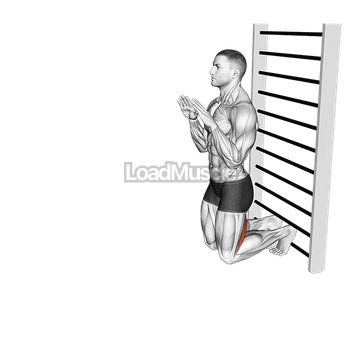
Primary Focus: Knee flexion (eccentric emphasis) - biceps femoris, semitendinosus, semimembranosus
Why it matters: The Nordic curl is the single best exercise for hamstring injury prevention. It trains the eccentric (lengthening) phase of knee flexion, which is exactly where hamstring strains happen. Multiple studies show that adding Nordics to your program cuts hamstring injury risk significantly.
Coaching Cues
- Kneel on a pad with your ankles anchored under a barbell, bench, or partner's hands.
- Keep your hips extended (do not sit back) and slowly lower your chest toward the floor by straightening your knees.
- Resist gravity as long as you can. The goal is a controlled 3-5 second descent, not a freefall.
- Catch yourself at the bottom and push off the floor to return to the start. As you get stronger, you will need less push-off assistance.
Stiff-Leg Deadlift
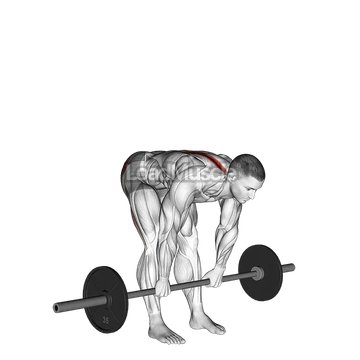
Primary Focus: Hip extension - hamstrings, glutes, spinal erectors
Why it matters: The stiff-leg deadlift is similar to the Romanian deadlift but with straighter legs and a greater range of motion. The reduced knee bend increases the stretch on the hamstrings, making it a great variation when you want to emphasize the lengthened position. It also works well with lighter loads for higher reps.
Coaching Cues
- Stand with your feet hip-width apart. Keep your knees nearly straight but not locked.
- Hinge at the hips and lower the bar toward the floor. Let it travel slightly away from your body compared to the RDL.
- Go as low as your hamstring flexibility allows without rounding your lower back. For most people, that means the bar reaches the top of the feet or the floor.
- Reverse the movement by driving your hips forward. Keep your core braced throughout.
Glute Ham Raise
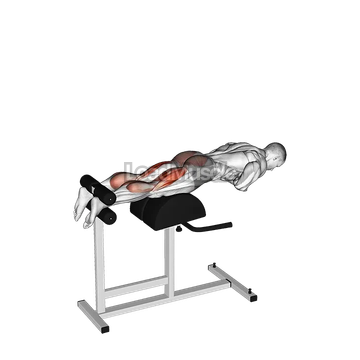
Primary Focus: Knee flexion and hip extension - hamstrings, glutes
Why it matters: The glute ham raise is unique because it trains both hamstring functions in a single rep. You flex the knee to pull yourself up and extend the hip to finish the movement. That combination makes it one of the most complete hamstring exercises available, and it is a favorite among powerlifters and sprinters for good reason.
Coaching Cues
- Set up on a GHD machine with your knees just behind the pad and your feet locked in.
- Start with your torso parallel to the floor. Curl your body up by driving your heels into the foot plate.
- As your torso rises past parallel, extend your hips to finish tall at the top.
- Control the descent. If you cannot do a full rep yet, use a band for assistance or focus on the eccentric-only version.
Cable Pull-Through
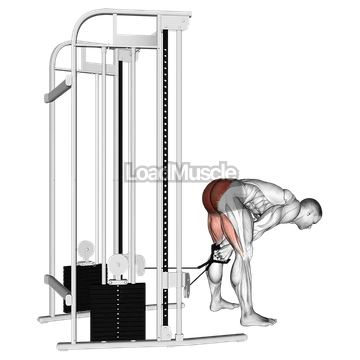
Primary Focus: Hip extension - hamstrings, glutes
Why it matters: The cable pull-through is a beginner-friendly hip hinge that teaches the movement pattern without the spinal loading of a barbell. The cable provides constant tension throughout the range, which keeps the hamstrings working even at the top where barbell hinges lose some resistance. It is a great warm-up or high-rep finisher.
Coaching Cues
- Stand facing away from a low cable with a rope attachment between your legs.
- Hinge at the hips and push your glutes back toward the cable stack. Let the rope pass between your legs.
- Drive your hips forward explosively to stand tall. Squeeze your glutes hard at the top.
- Keep your arms relaxed. They are just hooks holding the rope. All the work should come from your hips.
Swiss Ball Hamstring Curl
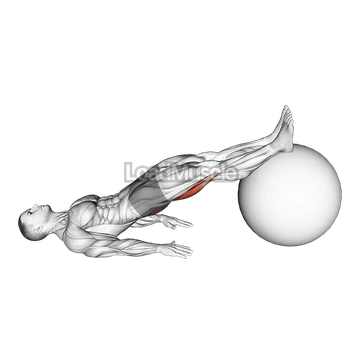
Primary Focus: Knee flexion and hip extension - hamstrings, glutes, core
Why it matters: You do not need a gym for this one. The Swiss ball curl trains knee flexion and hip extension simultaneously while forcing your core to stabilize against the unstable surface. It is a solid option for home workouts, hotel gyms, or as a lighter accessory on recovery days.
Coaching Cues
- Lie on your back with your heels on top of a Swiss ball. Lift your hips off the floor into a bridge.
- Curl the ball toward your glutes by bending your knees while keeping your hips elevated.
- Pause briefly at the top of the curl, then extend your legs back out slowly.
- If the double-leg version is easy, progress to single-leg curls by keeping one foot off the ball.
Single-Leg Romanian Deadlift
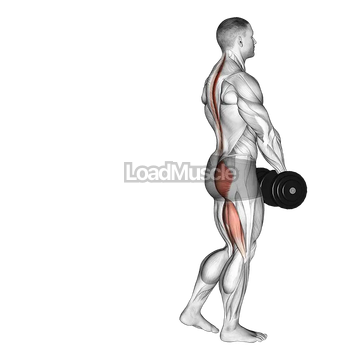
Primary Focus: Hip extension (unilateral) - hamstrings, glutes, stabilizers
Why it matters: The single-leg RDL does everything the bilateral version does but also exposes and corrects side-to-side imbalances. It trains balance, hip stability, and single-leg strength in a way that carries over to running, cutting, and injury prevention. If one hamstring is weaker than the other, this exercise will find it fast.
Coaching Cues
- Hold a dumbbell in the hand opposite to your working leg. Stand on one foot with a slight knee bend.
- Hinge forward at the hip while extending your free leg behind you. Think about making a "T" shape with your body.
- Lower until you feel a deep stretch in the working hamstring, then drive your hips forward to stand.
- Keep your hips square to the floor. If your hip opens up to the side, you have gone too far or the weight is too heavy.
Hamstring Workout Routine
Here is a complete hamstring workout you can run as part of a leg day or as a dedicated posterior-chain session. It covers both movement patterns and works from heavy compounds to lighter isolation.
| Exercise | Sets x Reps | Rest |
|---|---|---|
| Romanian Deadlift | 4 x 6-8 | 2-3 min |
| Nordic Hamstring Curl | 3 x 4-6 | 2 min |
| Seated Leg Curl | 3 x 10-12 | 90 sec |
| Good Morning | 3 x 8-10 | 2 min |
| Swiss Ball Hamstring Curl | 3 x 12-15 | 60 sec |
| Single-Leg Romanian Deadlift | 2 x 10-12 each | 60 sec |
How to use this routine:
- Run this workout once per week as a dedicated hamstring session, or split the exercises across two leg days.
- Start with the Romanian deadlift while you are fresh. It is the heaviest lift and demands the most focus.
- Progress by adding reps first, then adding weight when you hit the top of the rep range for all sets.
- If you are short on time, drop the last exercise and keep the first four.
Want a full program built around your schedule and equipment? Try the free workout planner to generate a plan that includes hamstring work in the right places.
Preventing Hamstring Injuries
Hamstring strains are among the most common injuries in sports and lifting. The good news is that most of them are preventable with the right training approach.
Prioritize eccentric training. Hamstring tears almost always happen during the eccentric (lengthening) phase, like when your leg swings forward during a sprint. The Nordic hamstring curl is the most researched exercise for reducing hamstring injury risk. Adding 2-3 sets twice per week can make a real difference.
Warm up your hamstrings before heavy work. A few minutes of light leg curls, bodyweight RDLs, or walking lunges before your main lifts increases blood flow and tissue temperature. Cold hamstrings tear more easily than warm ones.
Balance your quad-to-hamstring strength ratio. If your quads are significantly stronger than your hamstrings, the imbalance puts extra stress on the hamstring during movements like sprinting and decelerating. A healthy ratio is roughly 60-70% hamstring strength relative to quad strength. If your leg curl numbers are way behind your leg extension, that is a sign to increase hamstring volume.
Build flexibility through full range of motion training. You do not need to do endless static stretching. Training exercises like the stiff-leg deadlift and single-leg RDL through a full range of motion builds strength at long muscle lengths, which is more protective than passive flexibility alone.
Do not neglect your glutes. Your glutes and hamstrings work together on every hip-extension movement. Weak glutes force the hamstrings to pick up slack, increasing strain risk. Check out The Ultimate Glute Builder: 10 Best Exercises for a complete glute training guide.
FAQ
How many times per week should I train hamstrings?
Twice per week is the sweet spot for most people. This gives you enough frequency to accumulate 10-16 weekly sets while allowing adequate recovery between sessions. You can split this across two leg days or dedicate one day to quads and one to hamstrings.
Can I build hamstrings without a machine?
Yes. The Romanian deadlift, Nordic hamstring curl, Swiss ball curl, single-leg RDL, and good morning all require minimal or no machine access. A barbell, a pair of dumbbells, or even just your bodyweight is enough to build strong hamstrings.
What is the difference between a Romanian deadlift and a stiff-leg deadlift?
The Romanian deadlift starts from the top, keeps a slight knee bend, and stops around mid-shin. The stiff-leg deadlift uses straighter legs and a deeper range of motion, often going all the way to the floor. Both are effective. The RDL is better for heavier loading, while the SLDL gives a deeper stretch.
Are leg curls enough for hamstrings?
No. Leg curls only train knee flexion. Your hamstrings also extend your hips, and that function is trained with hinge movements like Romanian deadlifts, good mornings, and pull-throughs. You need both patterns for complete hamstring development.
Should I train hamstrings on leg day or a separate day?
Either works. If your leg day is already long and quad-heavy, your hamstrings might get short-changed at the end. In that case, moving hamstring work to its own session or pairing it with a barbell workout day can give them the focus they deserve.
How do I know if my hamstrings are weak?
If your lower back rounds during deadlifts, your hips shoot up first on squats, or you get tightness in the back of your legs during everyday activities, your hamstrings are likely undertrained. A simple test: if your lying leg curl is less than half your leg extension weight, your hamstrings need more work.
Add Hamstrings to Your Plan
Strong hamstrings are not optional. They protect your knees, power your deadlifts, and make you faster and more resilient. Now you have the exercises and the routine to build them properly.
Here is how to get started:
- Browse the full exercise library at /exercises to find alternatives and variations for every movement listed above.
- Explore lower body programs in our glutes and legs routines collection for structured plans that prioritize posterior chain development.
- Build a custom plan with the free workout planner that slots hamstring work into your weekly schedule automatically.
- Download the app at /download to log your sets, track your hamstring strength over time, and follow structured programs built for your goals.
Stop treating hamstrings as an afterthought. Put them at the front of your leg day and watch your lower body transform.