Lower Back Friendly Core Workout Plan
Spine-safe core training: anti-extension, anti-rotation and glute work across three sessions a week, with no loaded spinal flexion anywhere in it.
- Days per week
- 3
- Session length
- 39–42 min
- Exercises
- 24
- Level
- Intermediate
- Equipment
- Bodyweight, Band, Resistance Band
Your week
- MonDay 1 · Stability & Glutes
- TueRest
- WedDay 2 · Anti-Rotation & Hips
- ThuRest
- FriDay 3 · Posterior Chain & Planks
- SatRest
- SunRest
Free on iPhone and Android, or adjust it in the web planner
The workouts
Day 1 — Stability & Glutes
Anti-extension core work plus glute activation for lumbar support.
About 42 minutes · 8 exercises| # | Demo | Exercise | Sets × Reps | Rest |
|---|---|---|---|---|
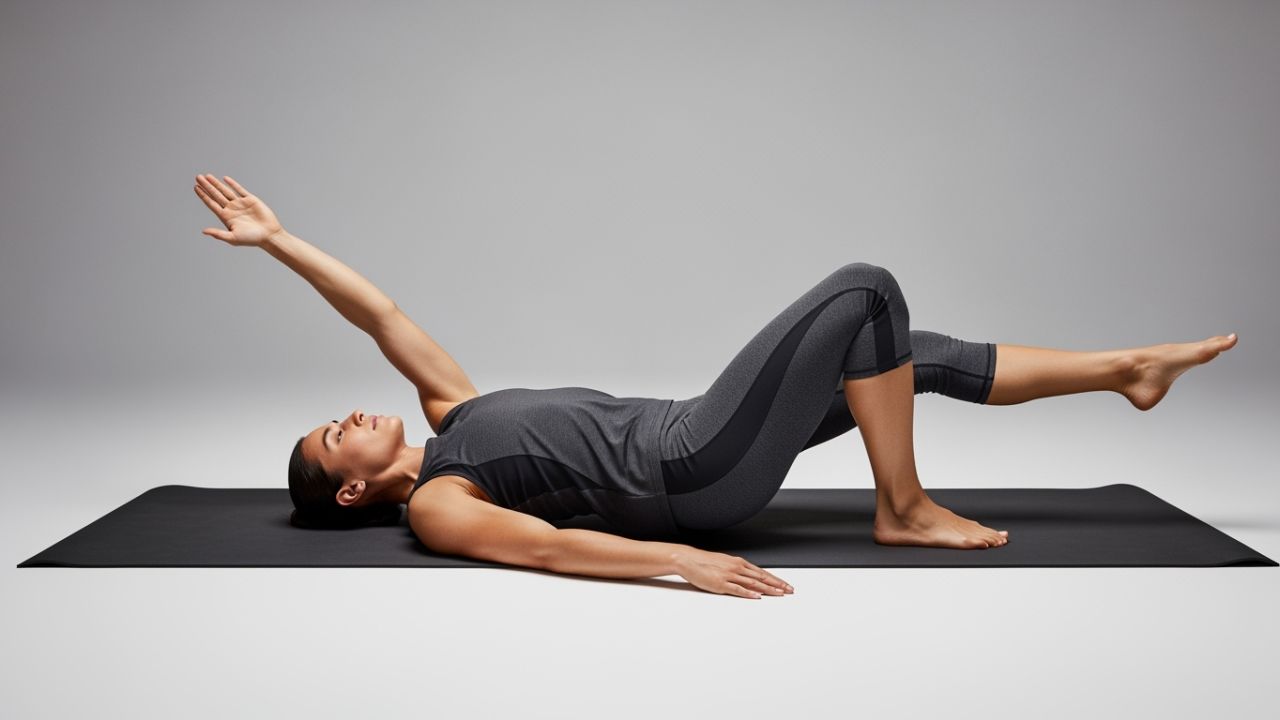
| 1 | Dead BugRest 60s | 3 × 12 | 60s | |
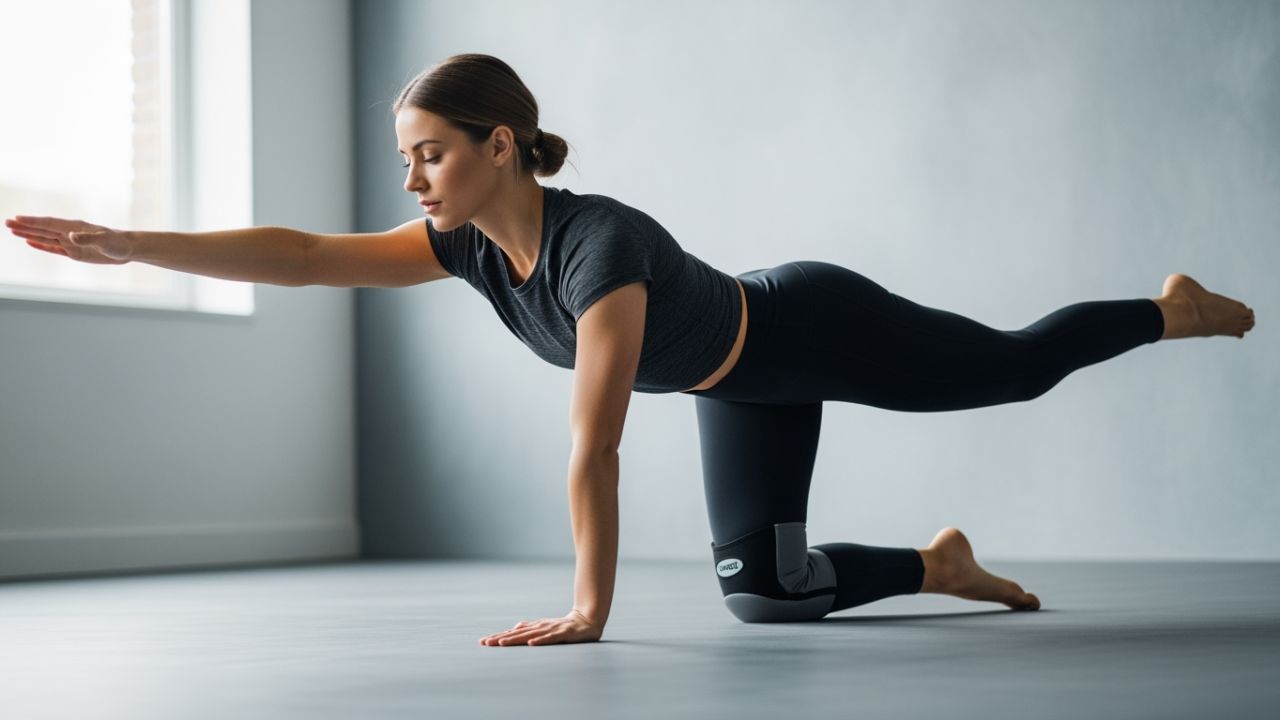
| 2 | Bird DogRest 60s | 3 × 10 | 60s | |
| 3 | Resistance Band Glute BridgeRest 60s | 3 × 12 | 60s | |
| 4 | Hip ThrustsRest 60s | 3 × 12 | 60s | |
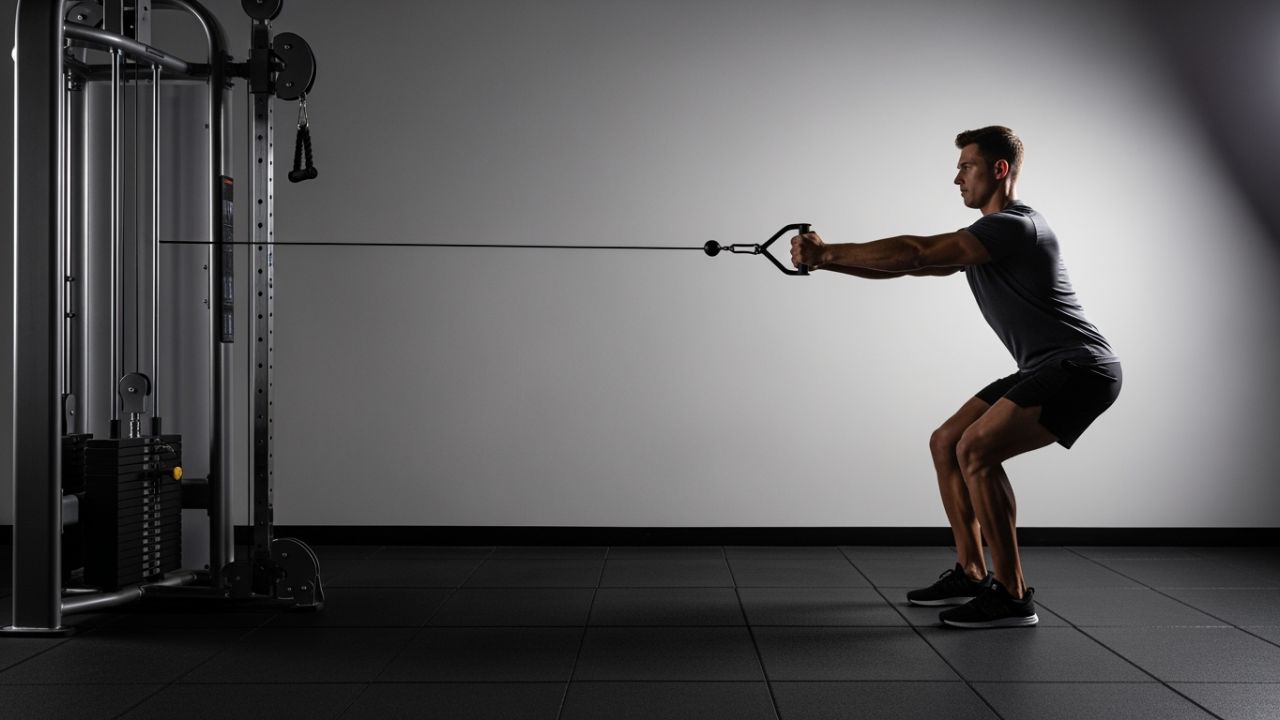
| 5 | Band vertical Pallof PressRest 45s | 3 × 30s | 45s | |
| 6 | Lateral Side PlankRest 45s | 3 × 30s | 45s | |
| 7 | Plank arm liftsRest 60s | 3 × 10 | 60s | |
| 8 | Kneeling Hip Flexor StretchRest 30s | 2 × 30s | 30s |


Day 2 — Anti-Rotation & Hips
Resisted hinge patterns and lateral hip work with core stability.
About 39 minutes · 8 exercises| # | Demo | Exercise | Sets × Reps | Rest |
|---|---|---|---|---|
| 1 | Band Good MorningRest 75s | 3 × 10 | 75s | |
| 2 | Reverse Hyper on Flat BenchRest 60s | 3 × 12 | 60s | |
| 3 | Resistance Band Side WalkRest 45s | 3 × 30s | 45s | |
| 4 | Side Bridge Hip AbductionRest 60s | 3 × 12 | 60s | |
| 5 | Resistance Band Kneeling Side PlankRest 45s | 3 × 30s | 45s | |
| 6 | Hollow HoldRest 60s | 3 × 25s | 60s | |
| 7 | Cat StretchRest 30s | 2 × 30s | 30s | |
| 8 | Lying Knee To Chest StretchRest 30s | 2 × 30s | 30s |


Day 3 — Posterior Chain & Planks
Glute/ham focus with anti-extension and lateral stability finishers.
About 39 minutes · 8 exercises| # | Demo | Exercise | Sets × Reps | Rest |
|---|---|---|---|---|
| 1 | Band straight leg deadliftRest 75s | 3 × 10 | 75s | |
| 2 | Single Leg Hip ThrustsRest 75s | 3 × 10 | 75s | |
| 3 | Bird DogRest 60s | 3 × 10 | 60s | |
| 4 | Band vertical Pallof PressRest 45s | 3 × 30s | 45s | |
| 5 | Lateral Side Plank (bent leg)Rest 45s | 3 × 30s | 45s | |
| 6 | Hollow HoldRest 60s | 3 × 25s | 60s | |
| 7 | SphinxRest 30s | 2 × 30s | 30s | |
| 8 | Seated Glute StretchRest 30s | 2 × 30s | 30s |


About this plan
Core training that keeps the spine out of it. Three sessions a week using a resistance band, built around the fact that plenty of people's backs object to conventional ab work.
Day one runs dead bugs, bird dogs, band glute bridges, hip thrusts, band Pallof presses and side planks. Day two moves to band good mornings, reverse hypers on a bench, band side walks, side bridge hip abduction and kneeling side planks. Day three covers band straight-leg deadlifts, single-leg hip thrusts, bird dogs, Pallof presses and side planks again.
What is missing is the point. There is no crunch, no sit-up, no leg raise and no Russian twist anywhere in this plan — nothing that repeatedly flexes or rotates a loaded spine. Everything trains the trunk isometrically, holding a neutral position while the limbs or a band do the moving.
The glute work is doing more than it looks. Hip thrusts, bridges, good mornings and side walks appear in every session because weak glutes leave the lower back extending the hip in their place, and that substitution is behind a large share of everyday back complaints. Strengthening the glutes is often the most direct back intervention available.
The Pallof press held for thirty seconds is the signature movement. Stand side-on to a band, press it straight out from your chest, and refuse to let it rotate you. Nothing moves, and it is harder than it looks.
This is a training plan, not medical advice. If a specific movement reproduces pain rather than effort, that is information worth taking to a physiotherapist rather than training through.
Train this plan in the app
LoadMuscle carries all 3 routines with a demo for every exercise, and logs your sets as you go, so next session you can see what to beat. Free on iPhone and Android. Want something built around your own schedule and equipment instead? Try the free workout planner.